.jpg?width=1400&height=909&name=IMG_8035-Edit-Edit%20(3).jpg)
Introduction
When First Bus selected UES to lead the electrification of its Taunton depot, the project scope included groundworks, steel fabrication, EV charging infrastructure, mechanical and electrical upgrades, and complete office and welfare refurbishment.
This post outlines our approach to the project, the practical implications of the main contractor model for First Bus, and its relevance for organisations managing complex, multi-discipline building programmes.
Why First Bus needed a main contractor
First Bus aims to operate a fully zero-emission fleet by 2035. Achieving this goal requires robust depot infrastructure, modern staff welfare facilities, and groundworks designed to support the demands of electrification.
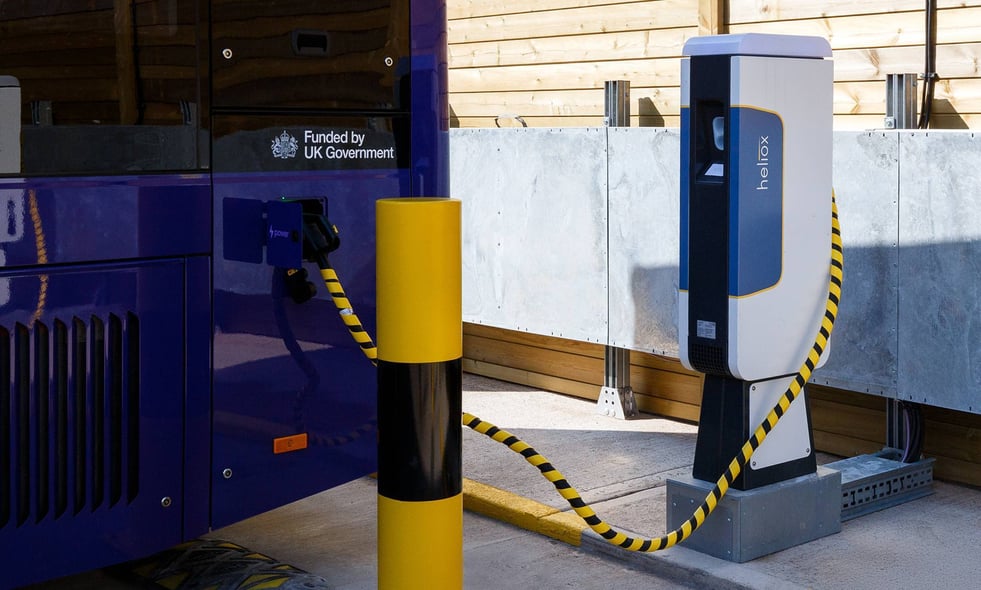
The Taunton site required all these elements at once: high-capacity EV charging for 26 new electric buses, substantial groundworks and steel fabrication, upgraded electrical capacity throughout the depot, and modernised office and welfare spaces for staff.
Managing five separate contractors would have introduced significant risks, including programme delays, coordination issues, and lack of clear accountability. Appointing UES as the main contractor mitigated these risks by providing a single team, a unified programme, and a single point of contact.
How the project was structured
UES was appointed in November 2024, with the programme running through April 2025. During this period, we managed all key disciplines in-house.
Groundworks and steel fabrication formed the foundation for the new charging infrastructure. As part of the first phase, their success determined the smooth progression of subsequent work. Completing groundworks at a live operational depot required careful sequencing and close coordination with the First Bus operations team.
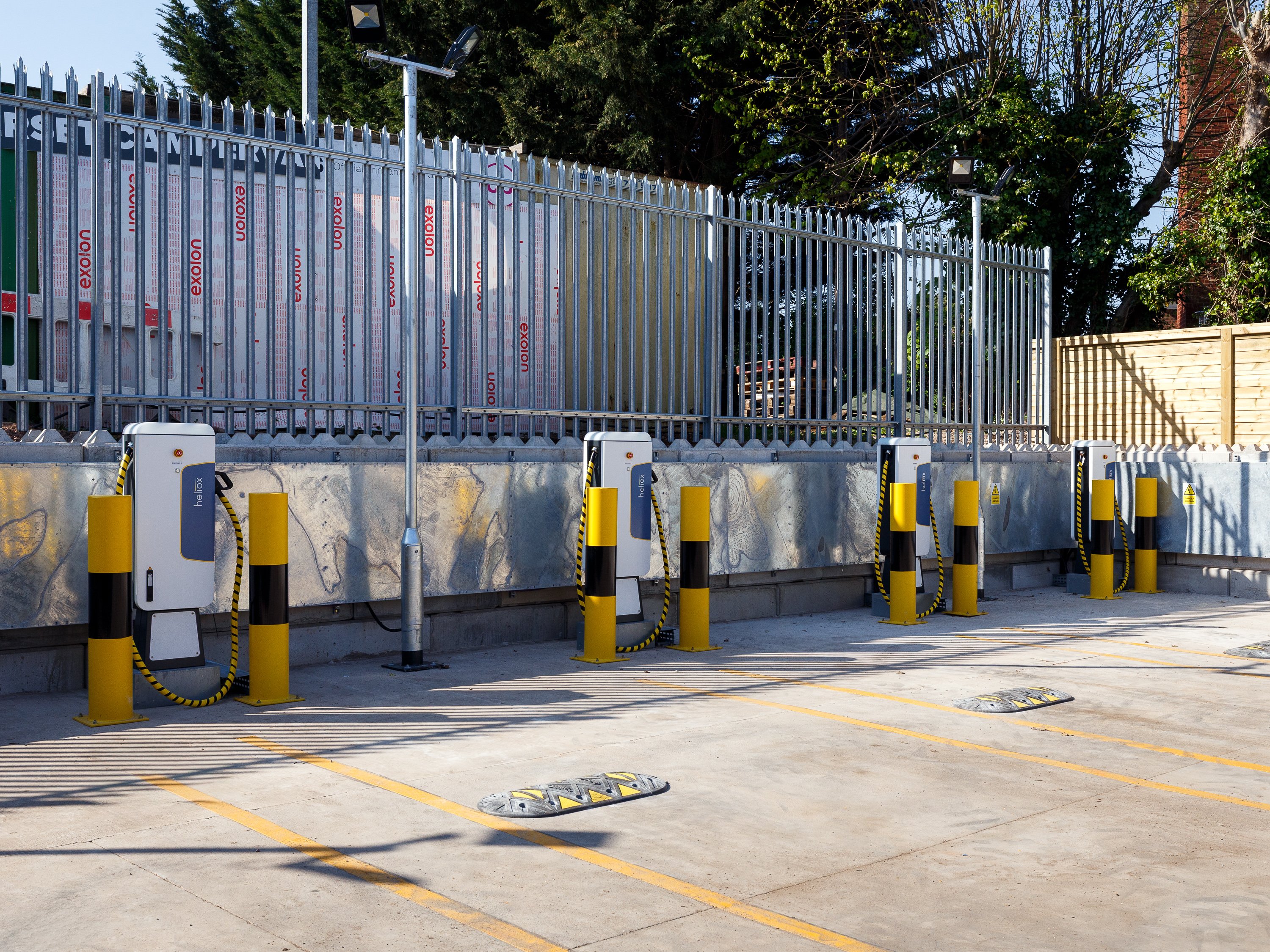
High-capacity chargers were installed to support 26 new electric buses. The electrical systems were designed to meet increased energy demands while maintaining uninterrupted depot operations.
Mechanical and electrical upgrades increased the depot's overall capacity. These enhancements were fully integrated with the new charging infrastructure to ensure a cohesive site.
Office and welfare space modernisation completed the project scope. As the depot transitioned to electric operations, staff facilities were upgraded to reflect this investment. New welfare spaces were delivered as part of the same programme, managed by the same team to consistent standards.
What the main contractor model meant in practice
For First Bus, the main benefit of a single contractor was seamless coordination. Decisions and issues were addressed through a single point of contact, eliminating delays and miscommunication among separate contractors. One team managed the entire programme.
This approach was especially important on a live site, as the Taunton depot remained operational throughout the project. All phases were planned around ongoing operations to maintain the project timeline.
The project was delivered on time and within budget. For a £1.7M programme on a live operational site spanning five disciplines, this outcome demonstrates the value of appointing a main contractor.
The scale of the project for UES
The Taunton depot electrification was one of the largest projects in UES’s history.
The scale is significant as it demonstrates a level of programme management and financial governance that smaller or specialist contractors may not offer. Procurement teams and Facilities Directors need assurance that their main contractor has delivered similar projects under comparable conditions.
The Taunton project provides that evidence.
What happened next
After completing the Taunton project, UES was appointed to a second First Bus depot programme. The Norwich site is now underway, with groundworks complete and gantry installation in progress. The same model and in-house disciplines apply, with a single point of accountability.
What this means for organisations considering a main contractor appointment
If you are managing a complex building programme, such as depot electrification, a major heating overhaul, or a fit-out with mechanical and electrical works, how you structure the appointment is as important as the contractor you select.
A main contractor model is most effective when the scope spans multiple disciplines, the site remains operational, programme risk must be managed by a single team, and a single point of accountability is required from start to handover.
This is our approach. If you are in the early stages of planning a project and would like to discuss whether appointing a main contractor is right for your programme, we welcome the opportunity to speak with you.