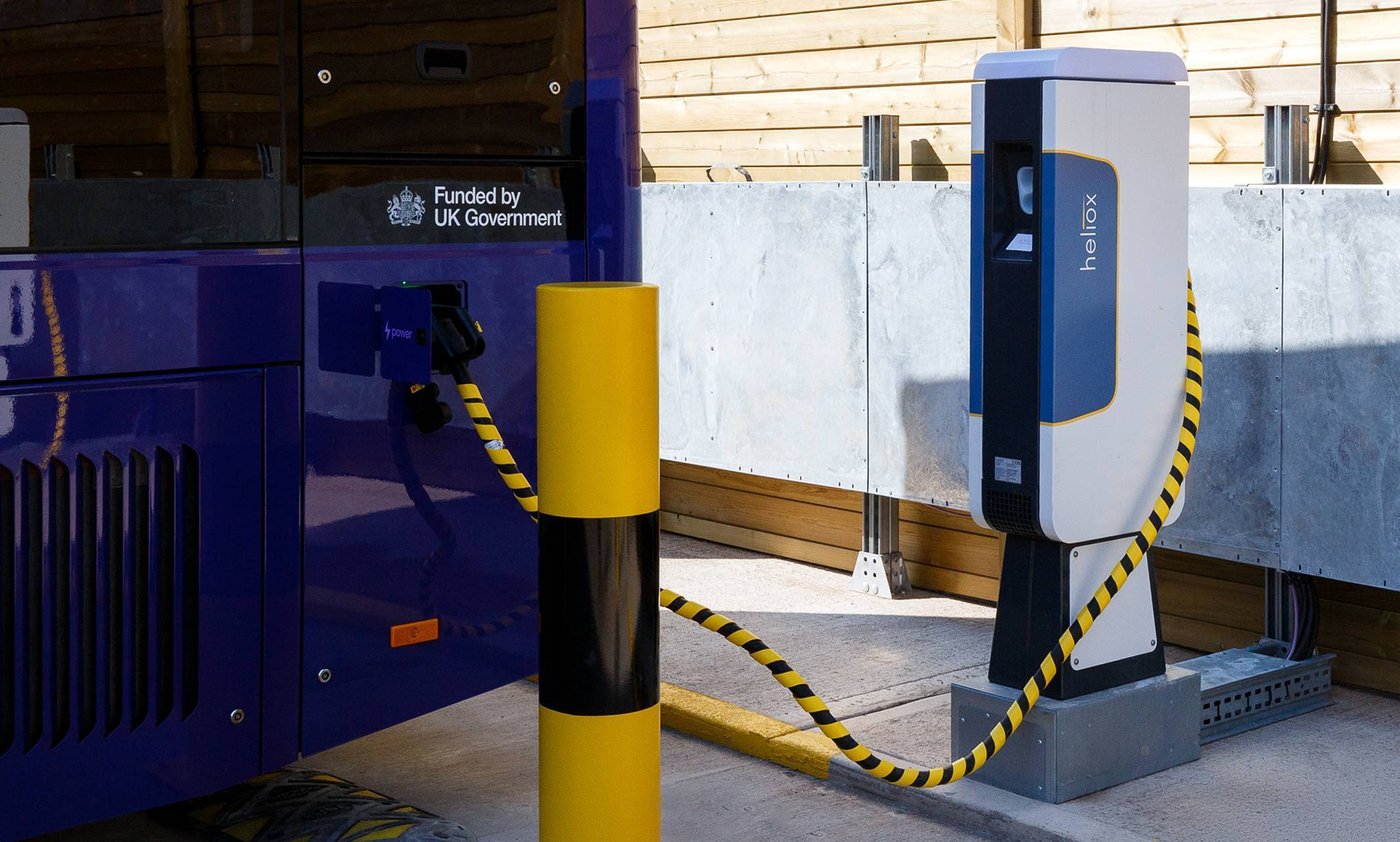
Electrifying a commercial fleet is much more than just installing chargers.
From an installer’s perspective, the bigger challenge is understanding how vehicles actually operate day to day, when they return to base, how long they stay there, and how much flexibility the organisation has when charging needs to happen. That operational picture directly impacts the infrastructure required.
Some fleets are easier to plan for than others. Others demand a far more responsive approach.
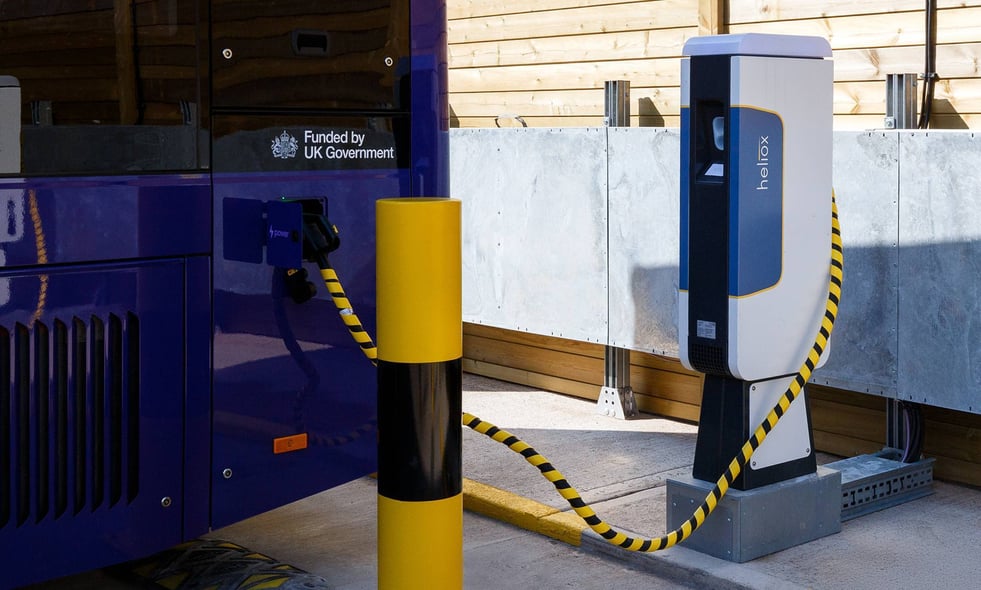
Predictable fleets allow charging to be built around routine
Fleets such as buses and coaches often operate to defined schedules, with fixed routes, planned layovers, and clear depot return times.
That level of predictability makes a big difference when designing charging infrastructure. It becomes possible to map charging windows around the operating day, calculate demand more accurately, and build a system that supports vehicle availability without overengineering the site.
For installers, this creates a stronger foundation for planning. Charger quantities, power requirements, cable routes, and phasing strategies can be aligned more confidently because the usage pattern is already understood.
That does not make these projects simple, but it does mean there is usually a clearer relationship between fleet movements and charging demand.
Reactive fleets create a different kind of challenge
More reactive fleets, such as emergency services, roadside assistance, or other critical response vehicles, operate very differently.
These vehicles cannot always rely on fixed return times or long, uninterrupted charging windows. Demand changes quickly. Priorities shift during the day. Vehicles may need to leave site at short notice and return with highly variable states of charge.
That changes the conversation entirely.
Instead of asking how to fit charging around a timetable, the question becomes how to provide resilient infrastructure that supports readiness at all times. From an installation point of view, that often means giving greater thought to charger placement, redundancy, load management, and how power is prioritised across the site.
The requirement is then to charge vehicles without compromising operational response.
The site matters just as much as the fleet
Fleet electrification is often discussed in terms of vehicles, but the site is just as important.
Two organisations may operate similar fleets and still need very different charging strategies because their depots, stations, or operational bases behave differently. Available incoming power, space for equipment, traffic flow, parking arrangements, and future expansion plans all shape what is possible.
This is why early surveys matter so much. Installers need to understand not only the site's electrical capacity, but also how people, vehicles, and services move through it. A charging layout that looks efficient on paper can quickly become impractical if it interferes with access, operational routines, or future fleet changes.
Good design starts with real operational context.
Infrastructure needs to support today and tomorrow
One of the biggest risks in fleet electrification is designing only for the immediate need.
Many organisations begin with a small number of electric vehicles, but that rarely stays static for long. As fleets grow, charging demand increases, and infrastructure decisions made too narrowly at the start can become expensive to undo later.
From an installer’s perspective, long-term thinking is essential. That could mean sizing containment for future expansion, planning switchgear upgrades in phases, or building in smart load management from the outset. The goal is to create infrastructure that works now without limiting what comes next.
That is especially important for organisations managing a mixed or gradually transitioning fleet, where diesel, hybrid, and electric vehicles may all need to operate side by side for some time.
Electrification works best when it reflects the reality of the operation
There is no single template for electrifying commercial fleets.
A bus or coach depot with well-defined schedules will often allow for a more structured charging strategy. A reactive fleet will need a more flexible and resilient approach. Both can be electrified successfully, but only when the installation is designed around how the operation really works.
For installers, that is where the value sits. Not simply in fitting chargers, but in understanding the fleet, the site, and the practical pressures behind both.
Because successful fleet electrification is not just about adding infrastructure. It is about building a system that properly supports operations, adapts over time, and gives organisations confidence as they move forward.